Road Washout Fixed With Ditch Line, Catch Basin and Culvert
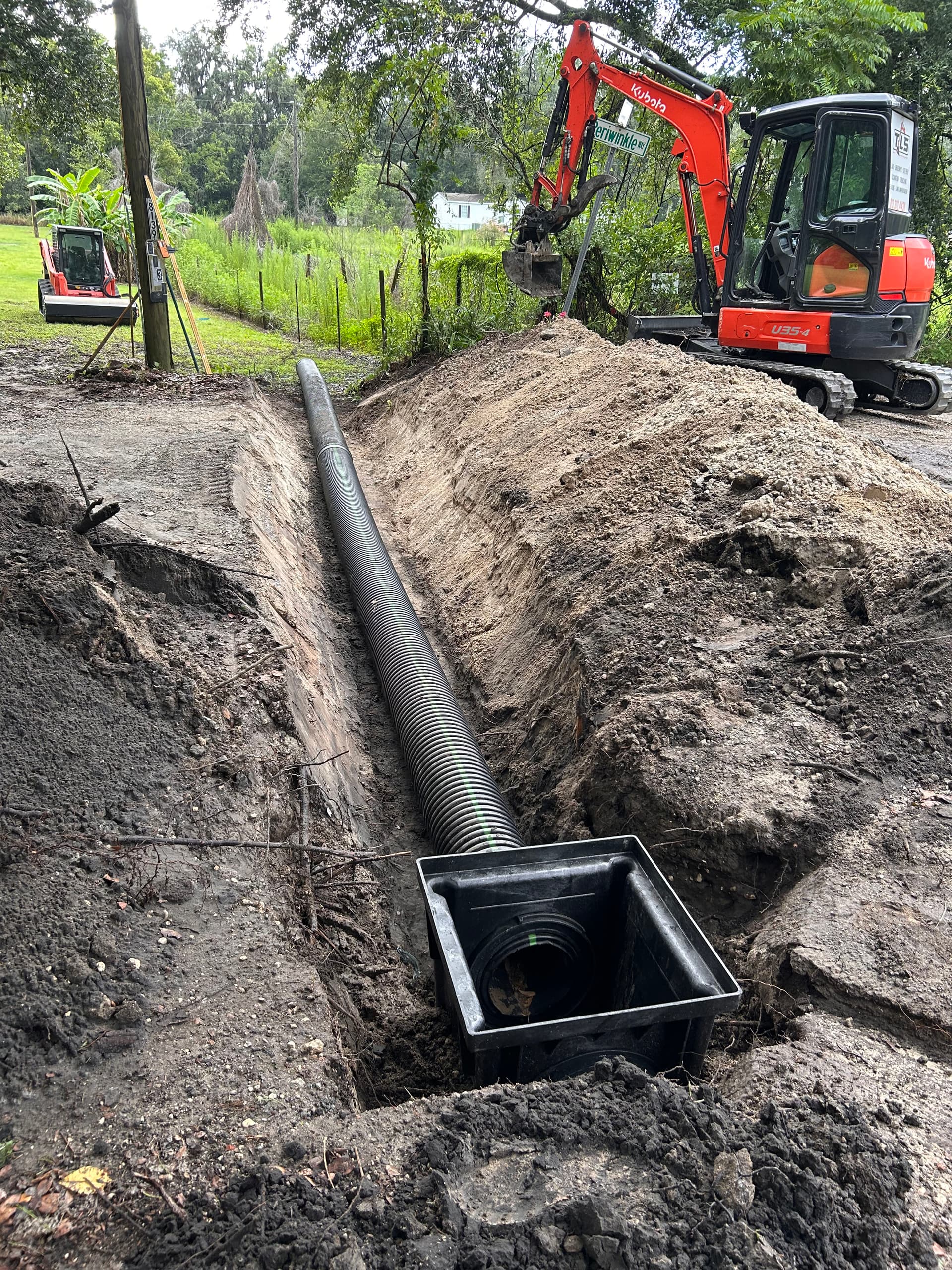
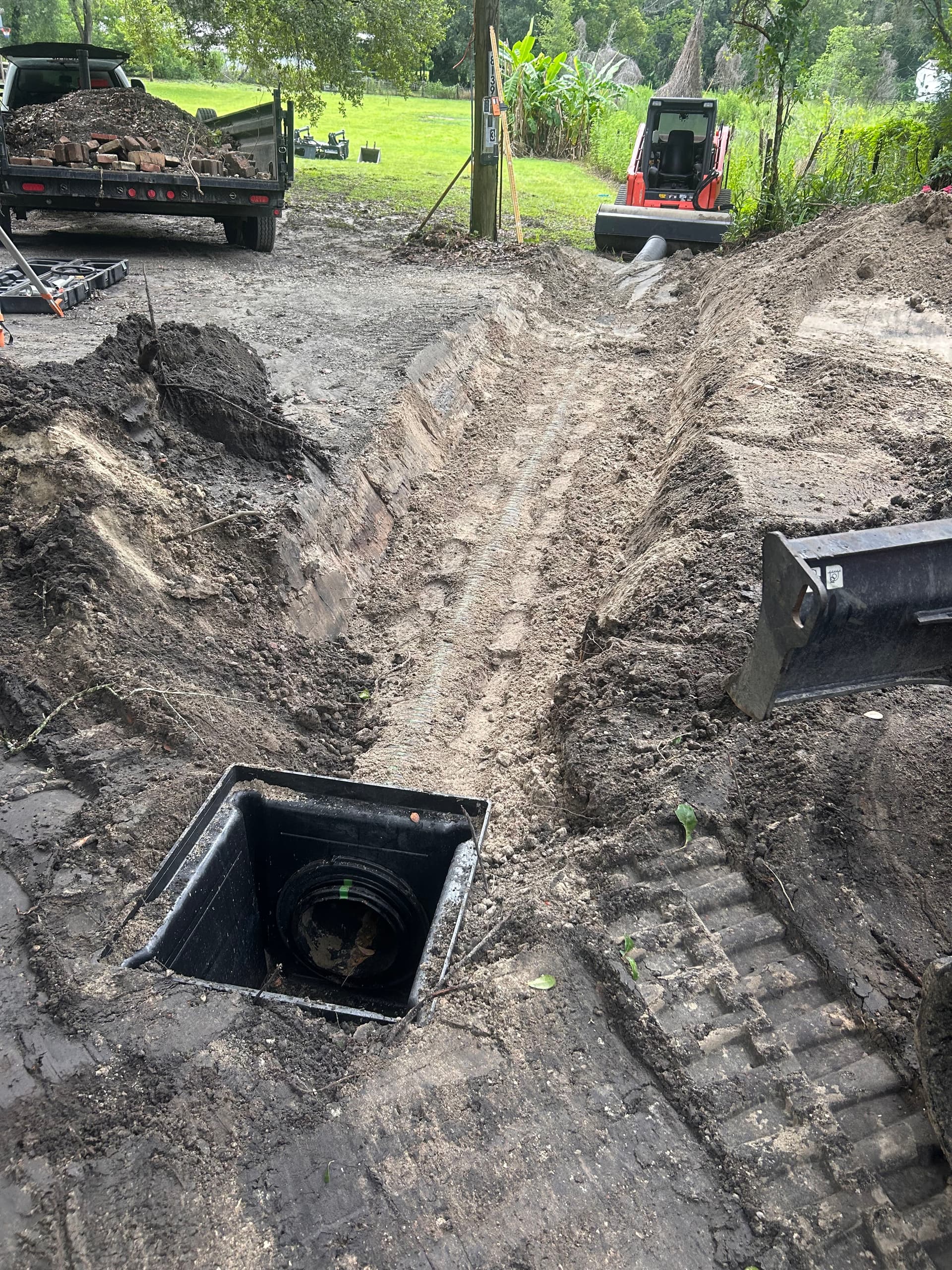
When a road starts washing out every time it rains, gravel isn't the answer. The water has to go somewhere - and if there's no system in place to move it off the road and away from the surface, every storm just makes the problem worse. That's exactly what we were dealing with here.
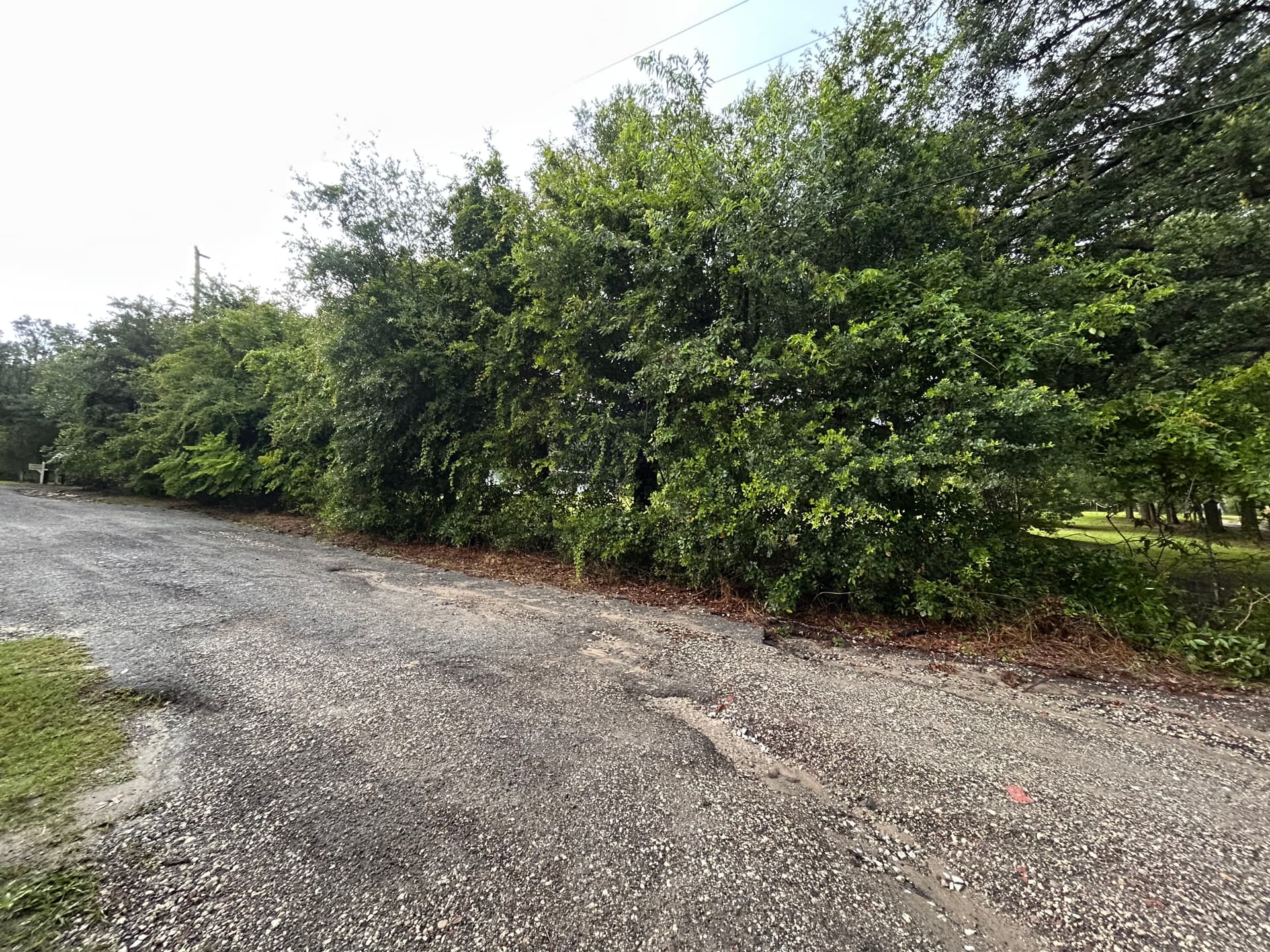
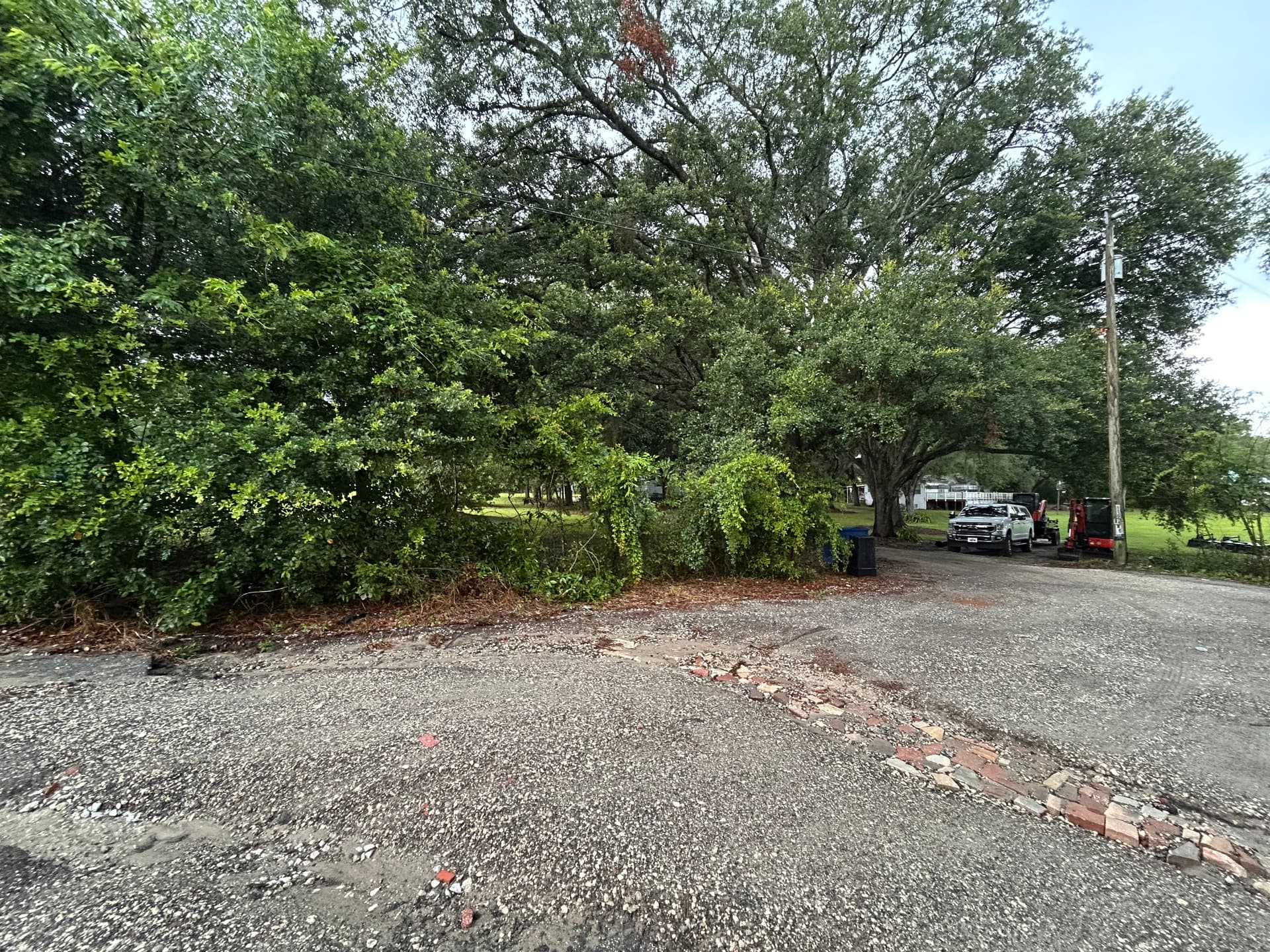
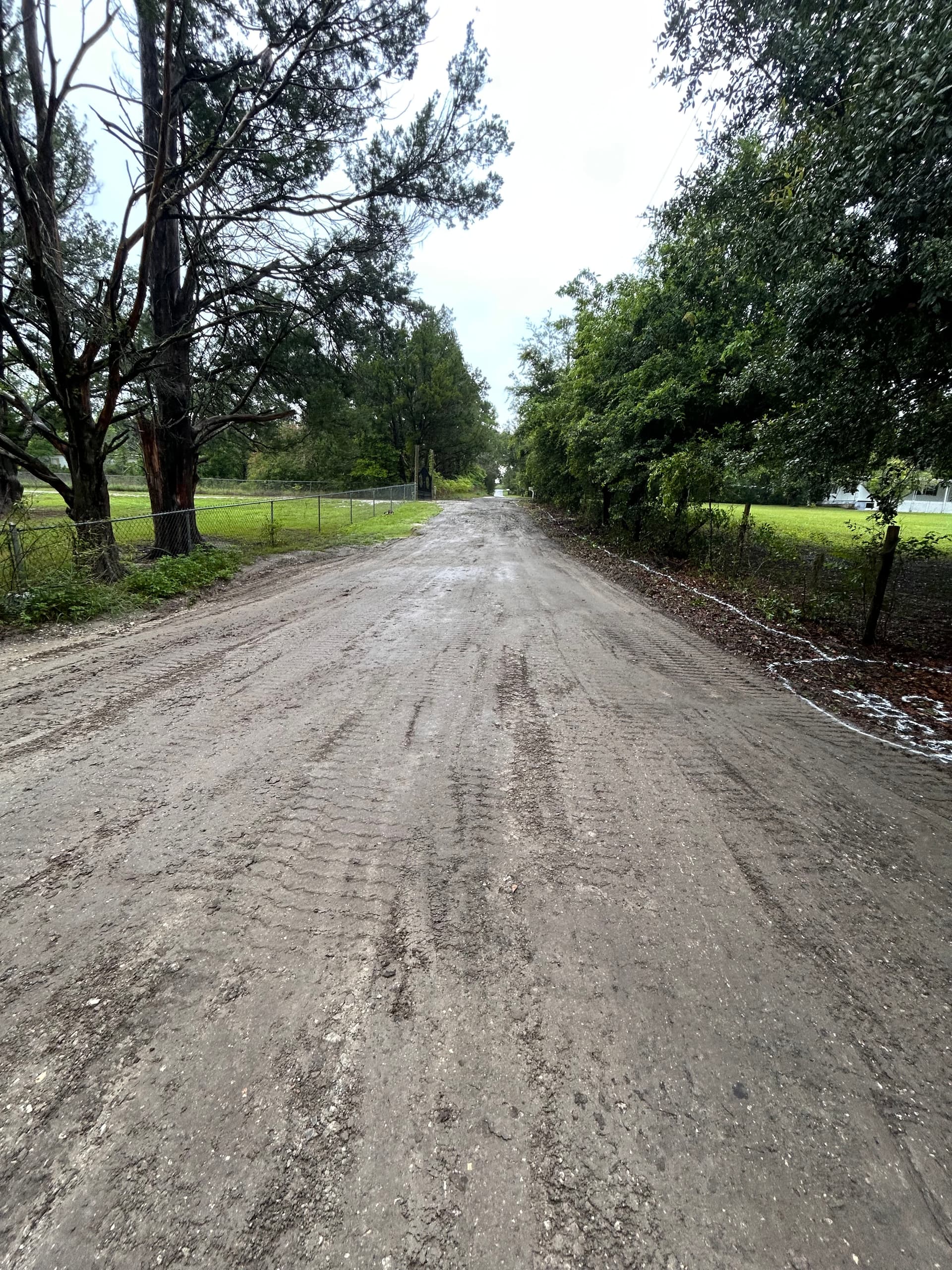
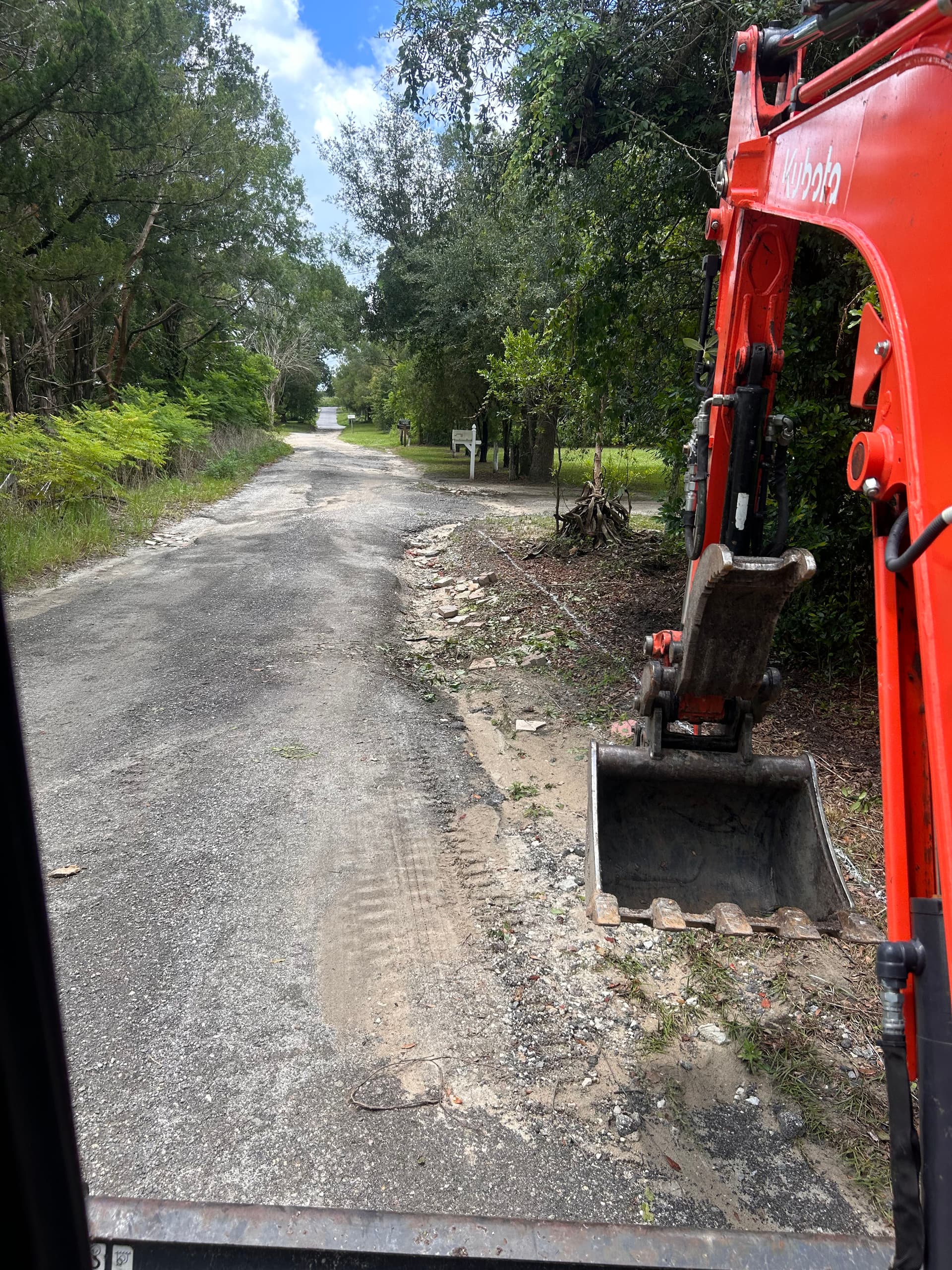
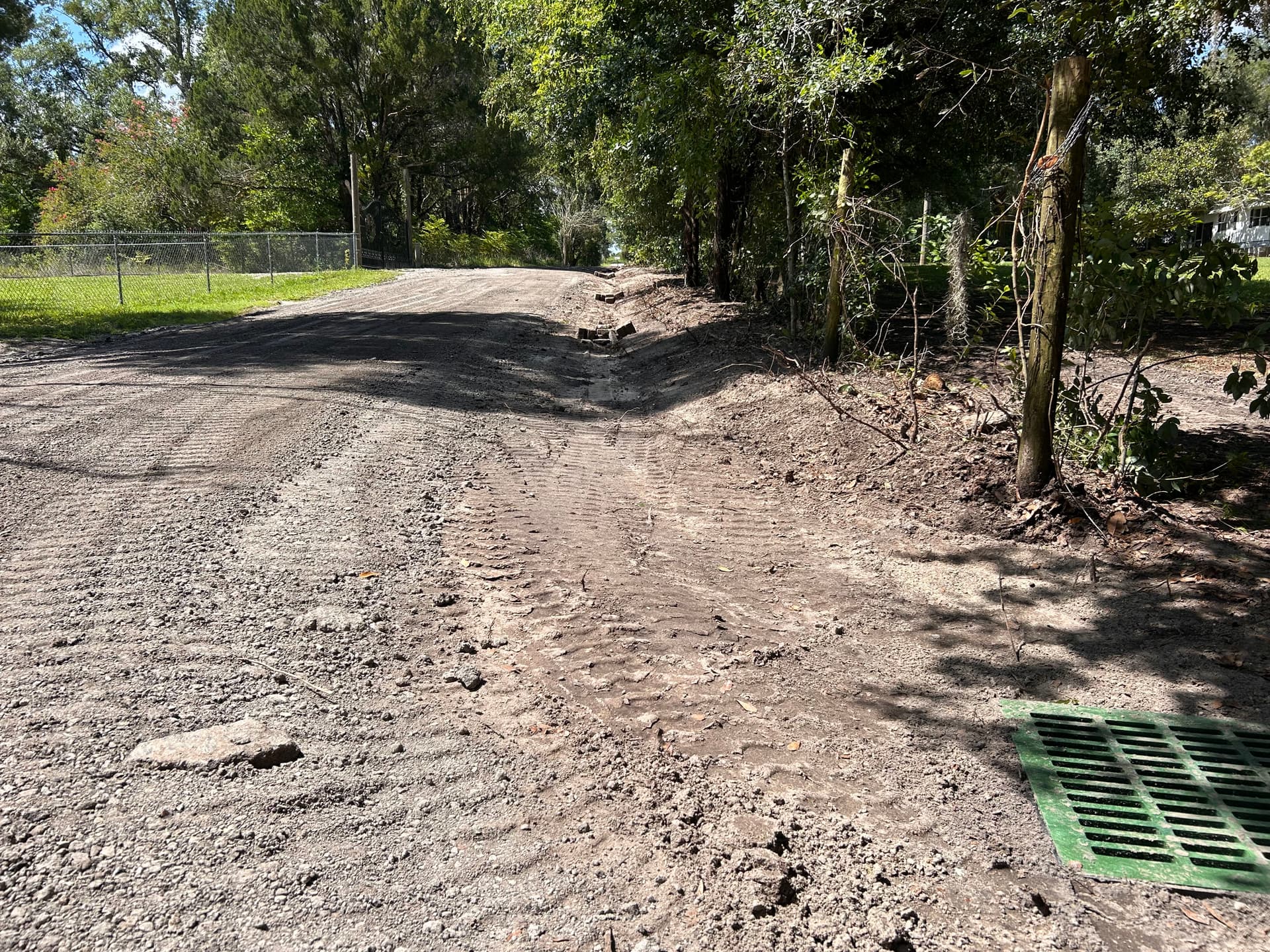
We started by clearing overgrown vegetation along the road edge and regrading the surface to restore proper crown. Crowning is what makes water shed off the road instead of sitting on it. Without it, runoff just cuts straight down the middle and starts pulling material with it every time it rains.
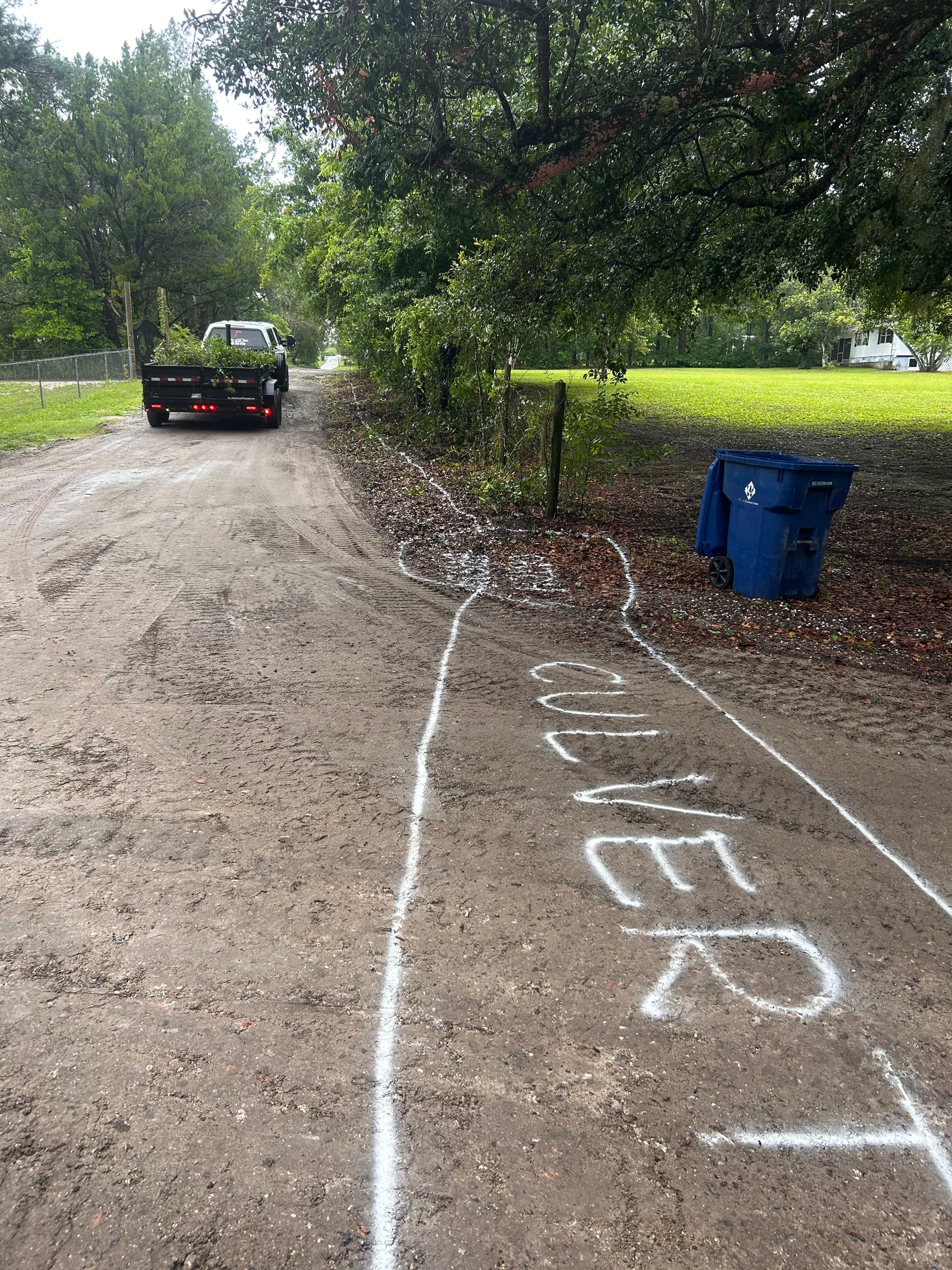
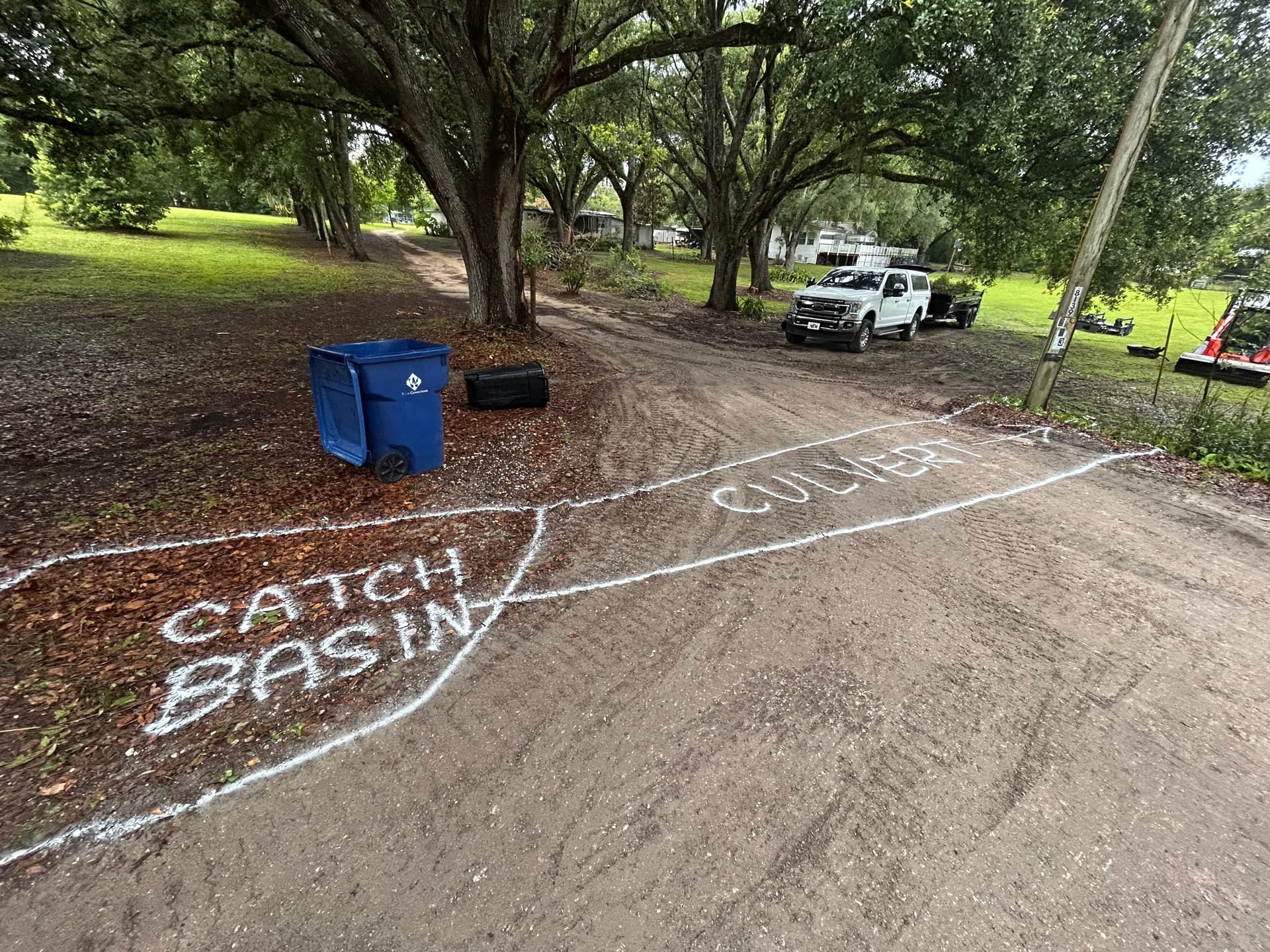
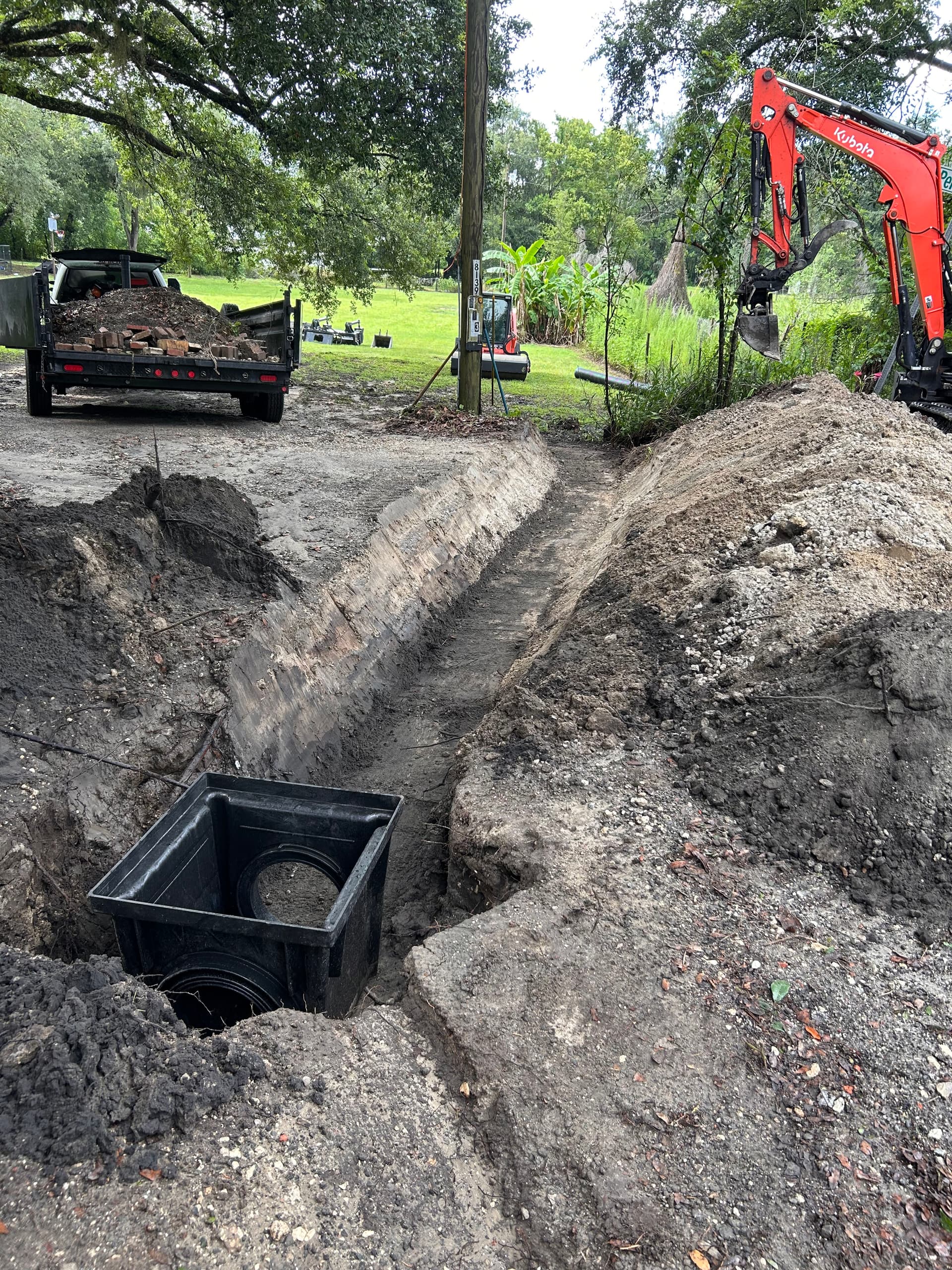
Then we got into the drainage side of things. We chalk-lined the catch basin and culvert locations right on the road surface before we broke ground - that way everyone on the crew knows exactly what goes where and there's no guesswork. From there, we excavated a clean ditch line alongside the road, set a catch basin to collect runoff at the low point, and ran a culvert pipe to carry that water out and away from the road bed.
That combination is what actually solves the problem. The ditch line intercepts water before it crosses the road surface. The catch basin collects it. The culvert moves it. Each piece works together, and none of it matters if the grade isn't right to begin with - which is why the dirt work and road regrading had to happen first.
If your road or driveway holds water after rain, or if you're watching gravel wash away after every storm, the fix isn't more gravel. It's getting the drainage right from the ground up. That's what we do.