Stem Wall Foundation Backfill Done Right and Built to Pass
Stem wall foundation backfill looks simple on paper. In practice, it's one of the easiest things to get wrong. Too much fill at once, poor compaction on any lift, wrong material in the wrong spot - and you've got a foundation that fails inspection or, worse, shifts after the slab goes down. That's not a headache anyone wants.
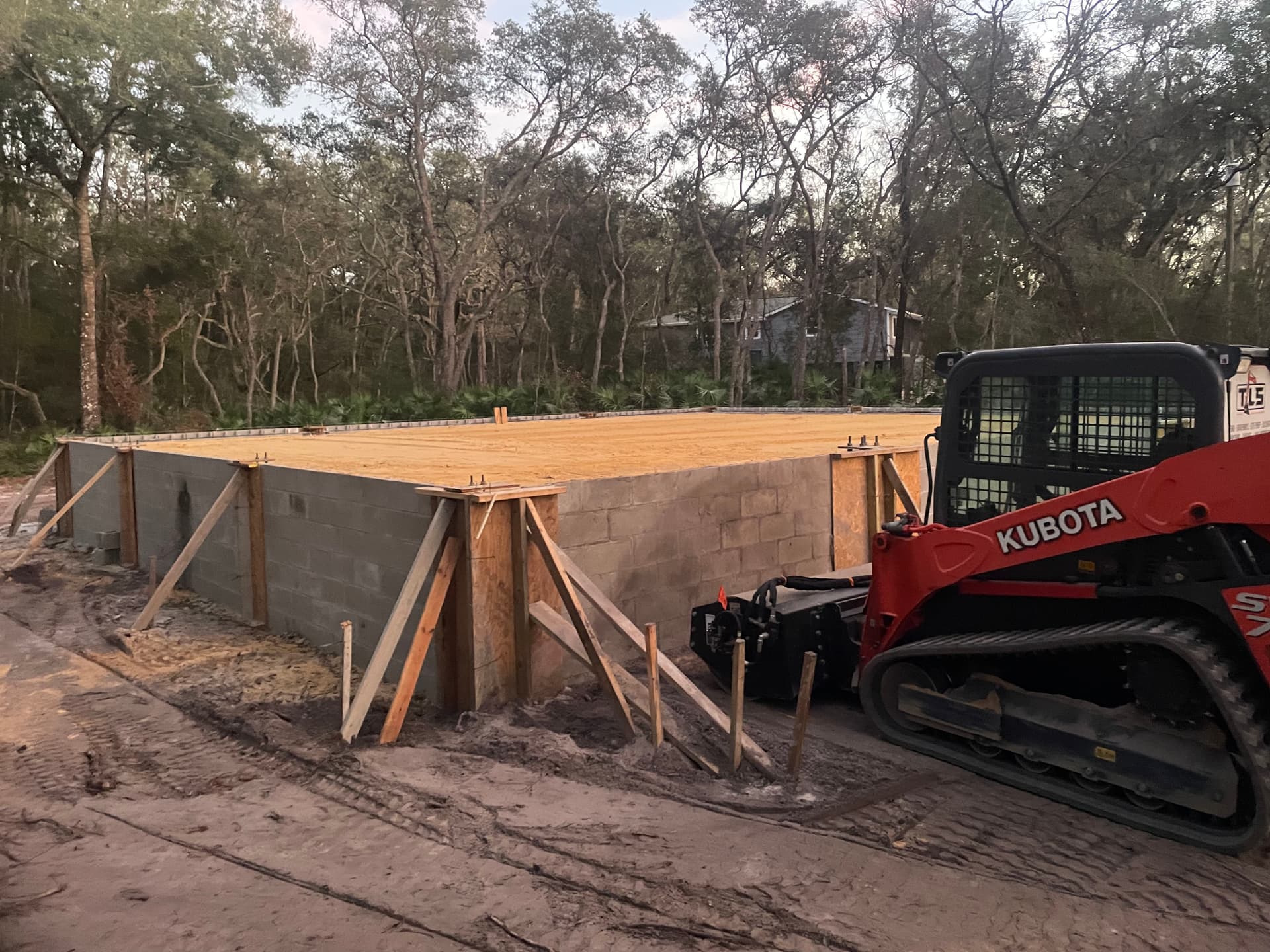
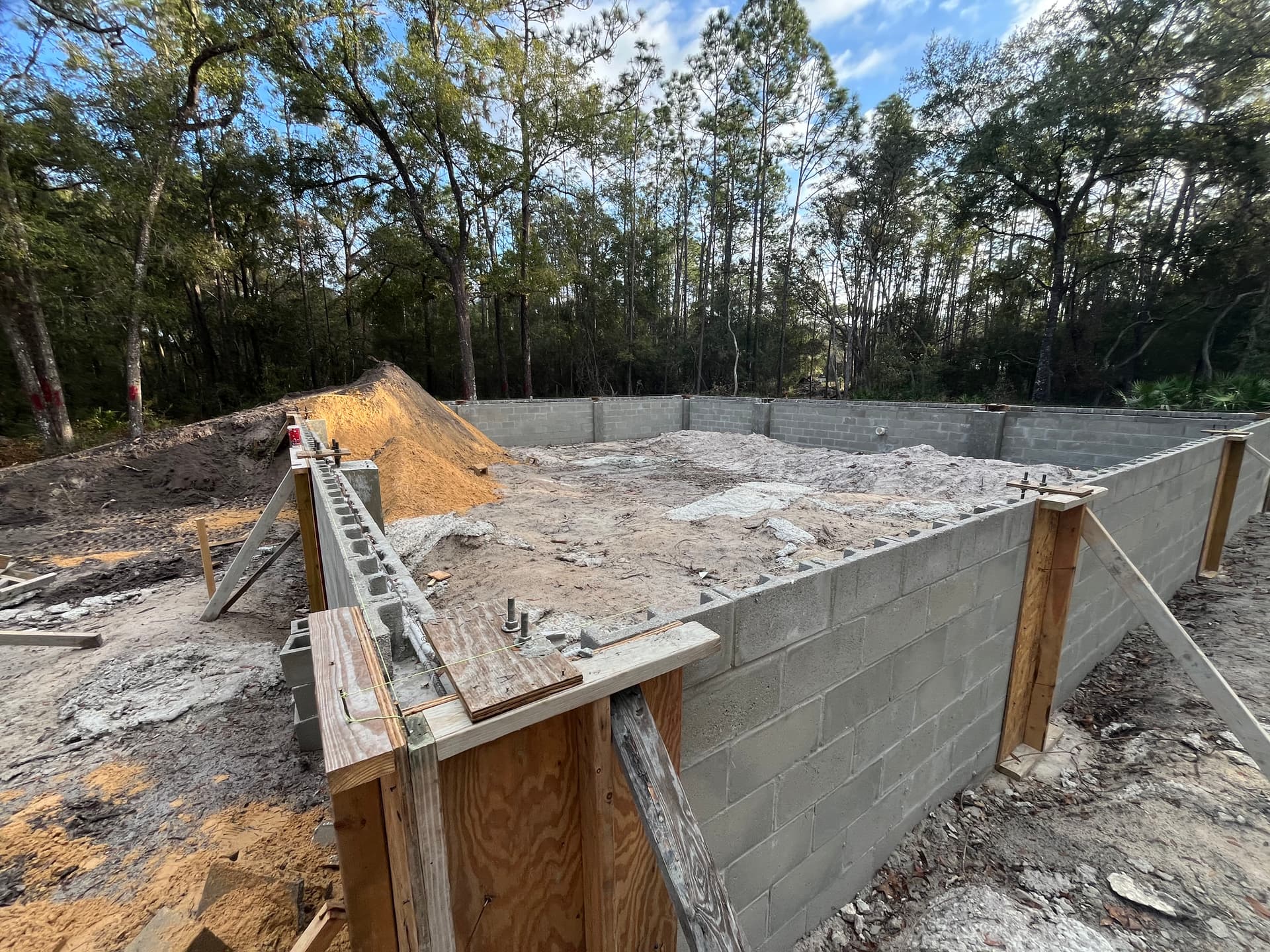
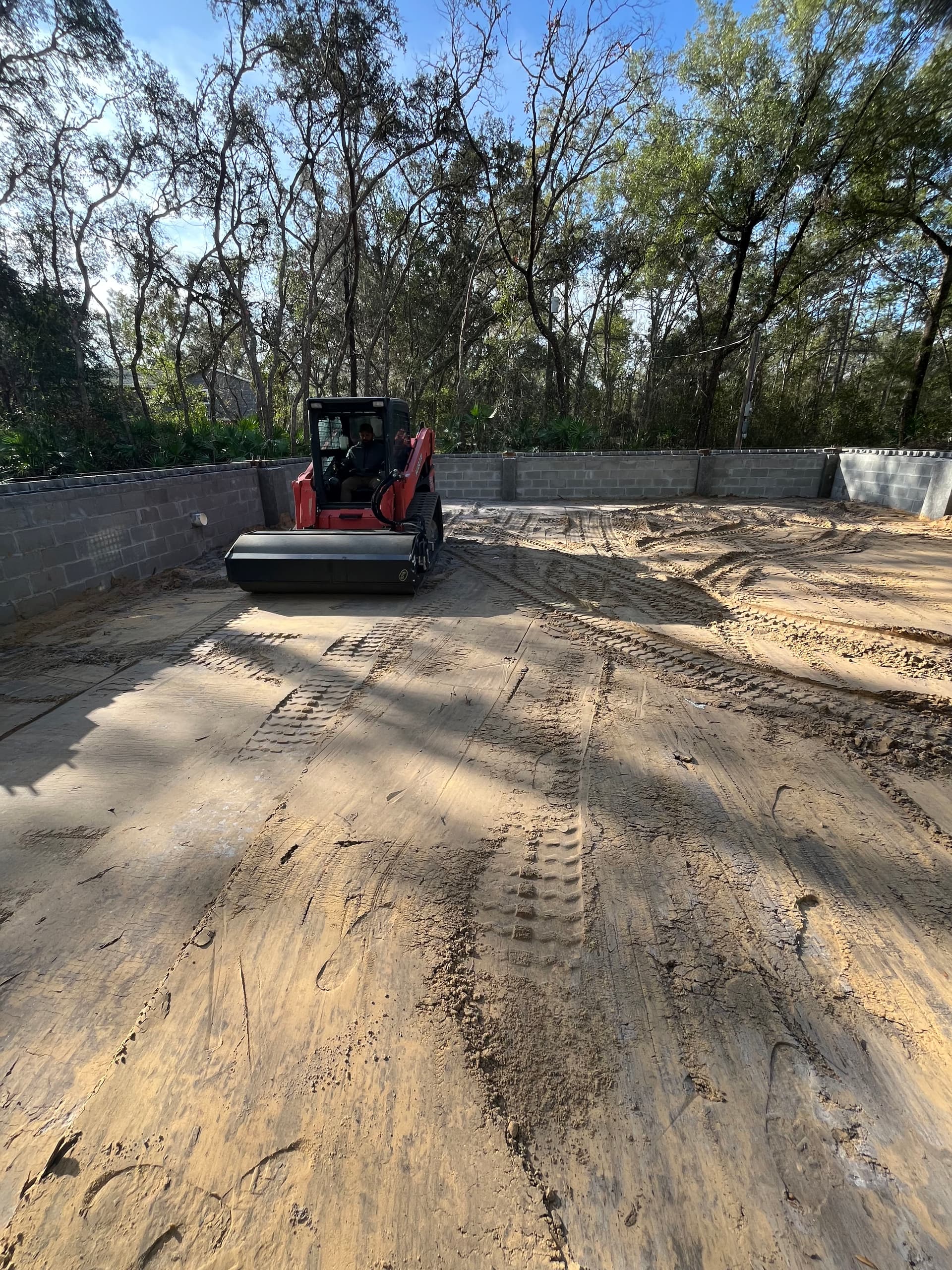
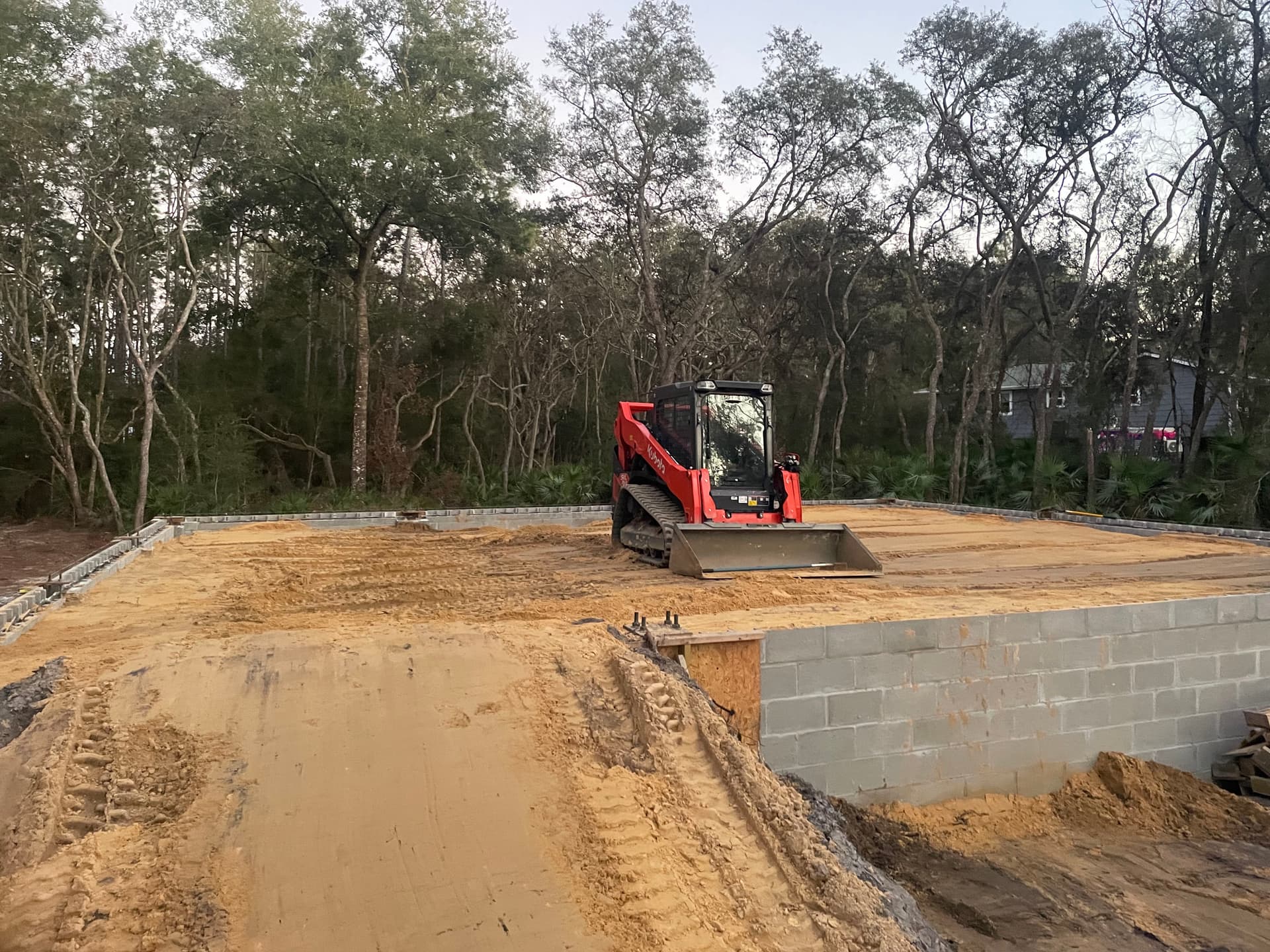
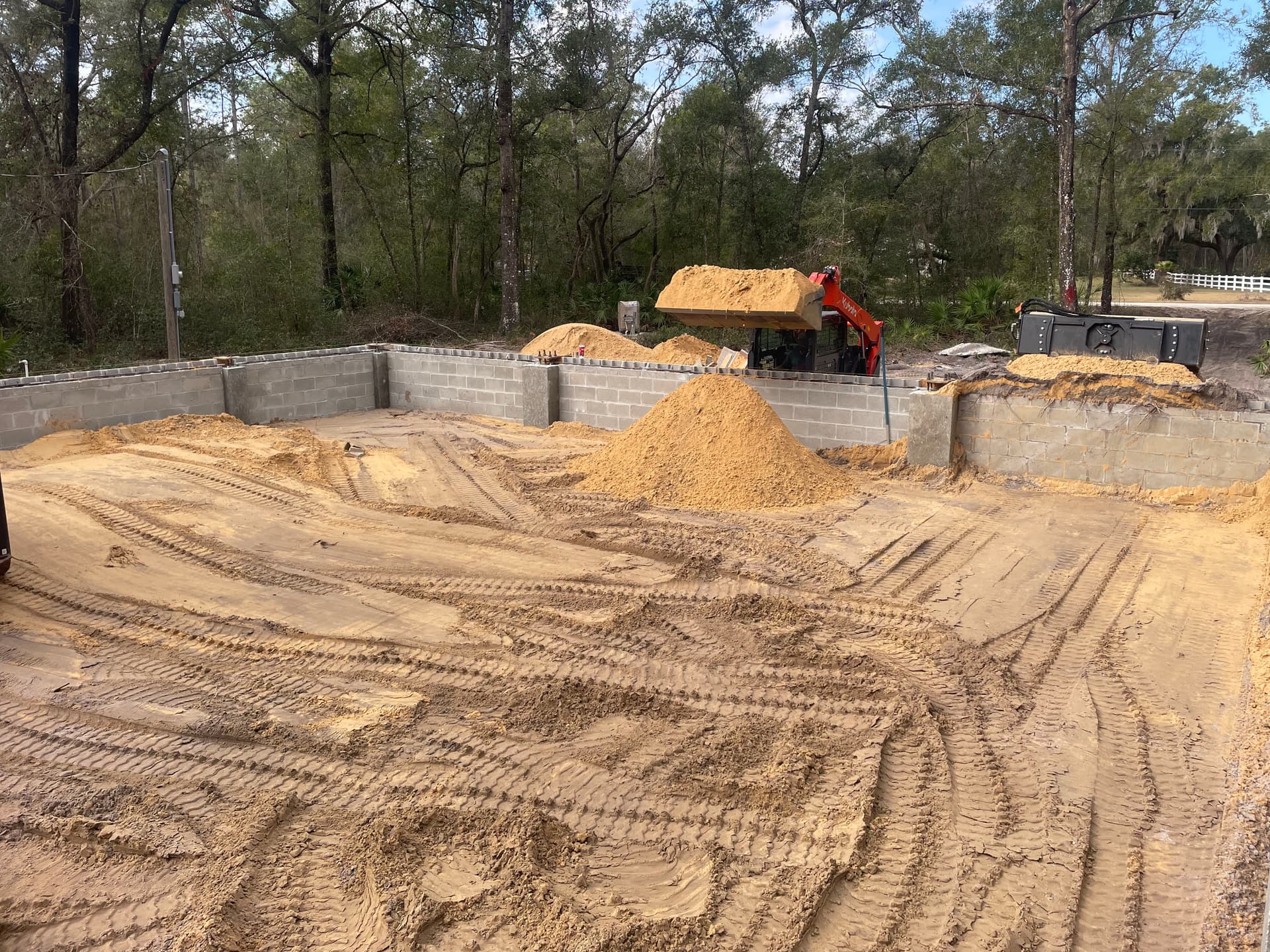
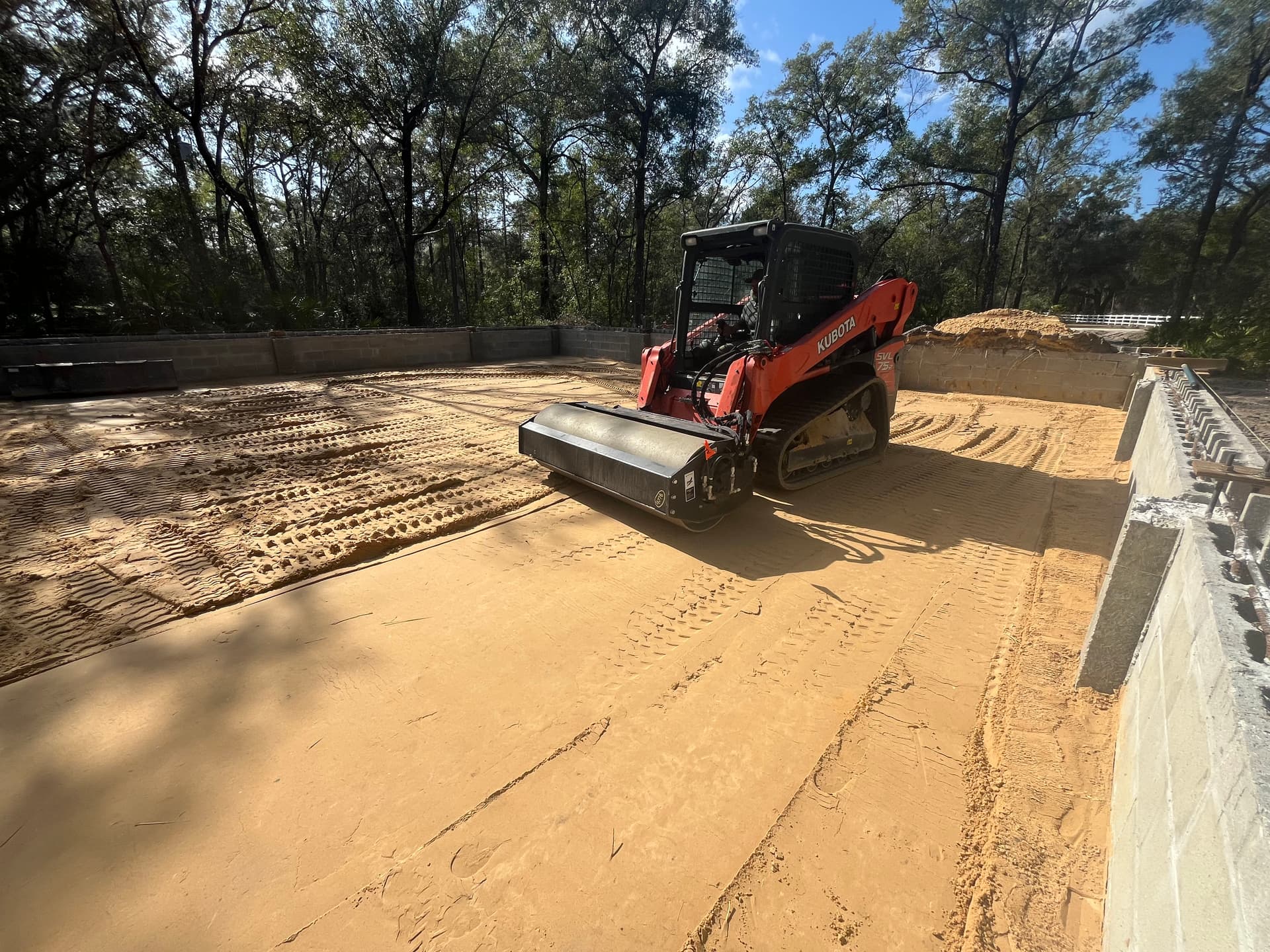
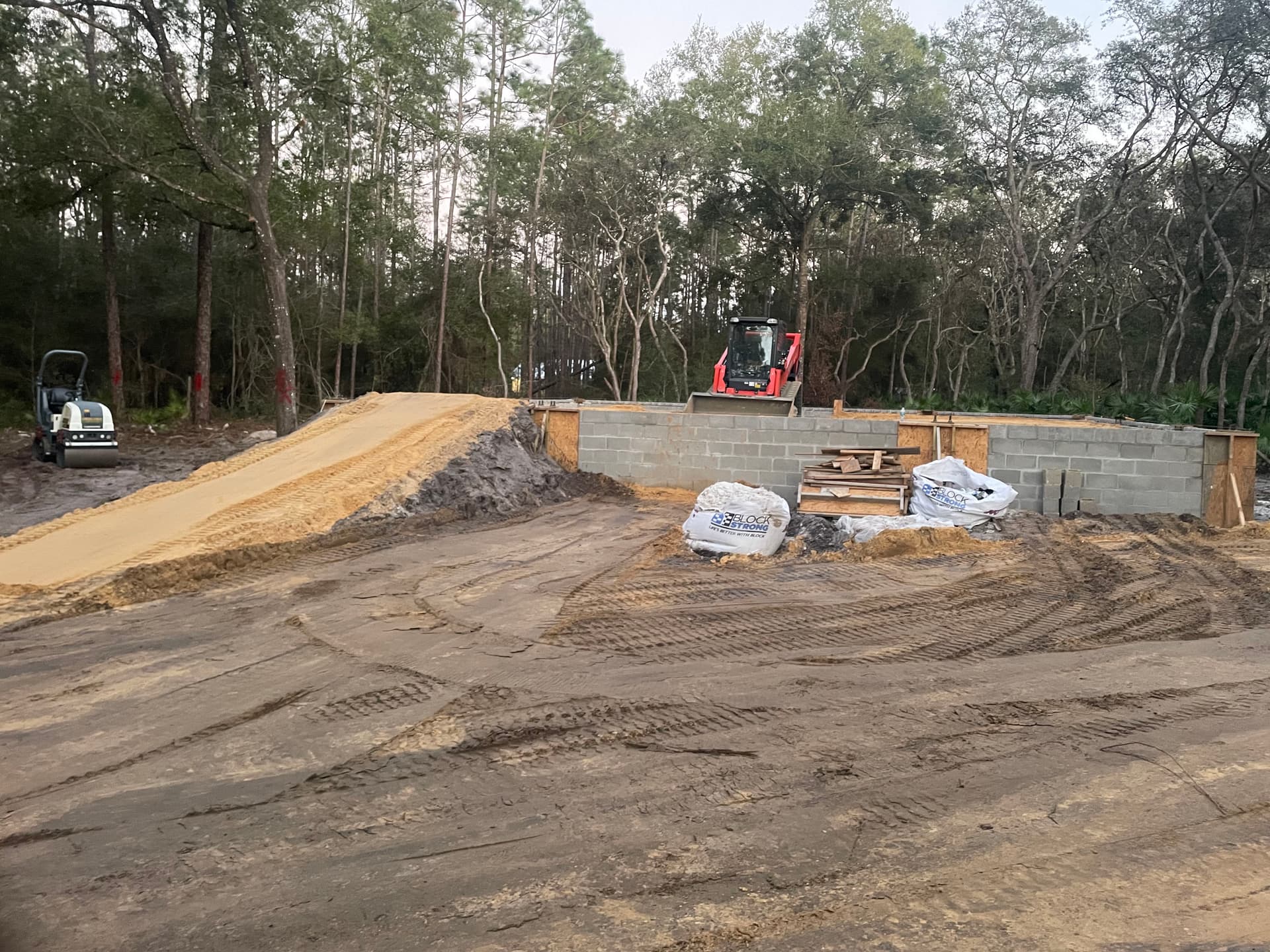
On this job, we came in after the block walls were set and handled the full backfill and compaction process from start to finish. We brought in clean fill sand and worked it in controlled lifts, compacting each layer before moving to the next. That's the only way to do it right. No shortcuts, no dumping a full load and hoping for the best.
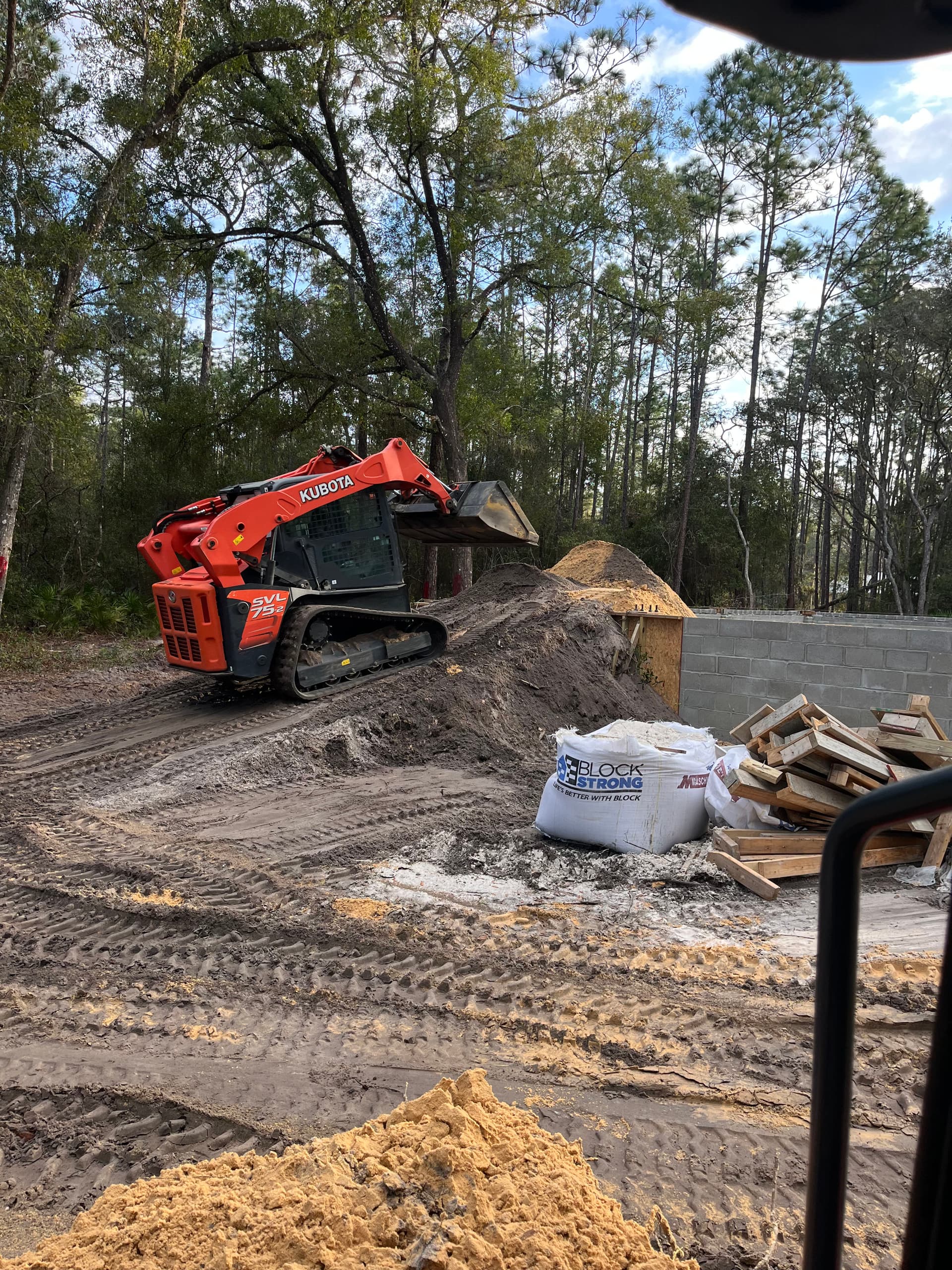
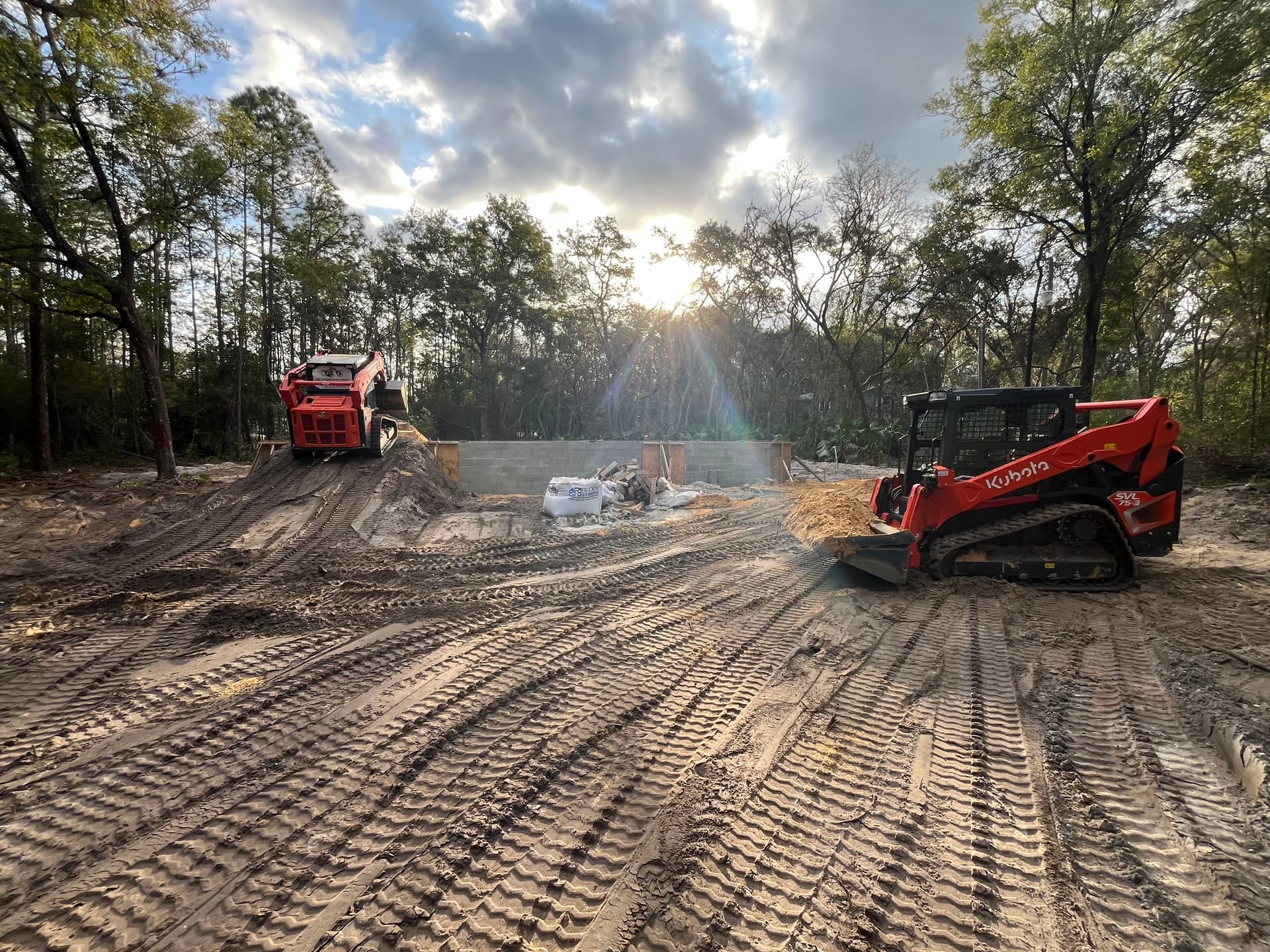
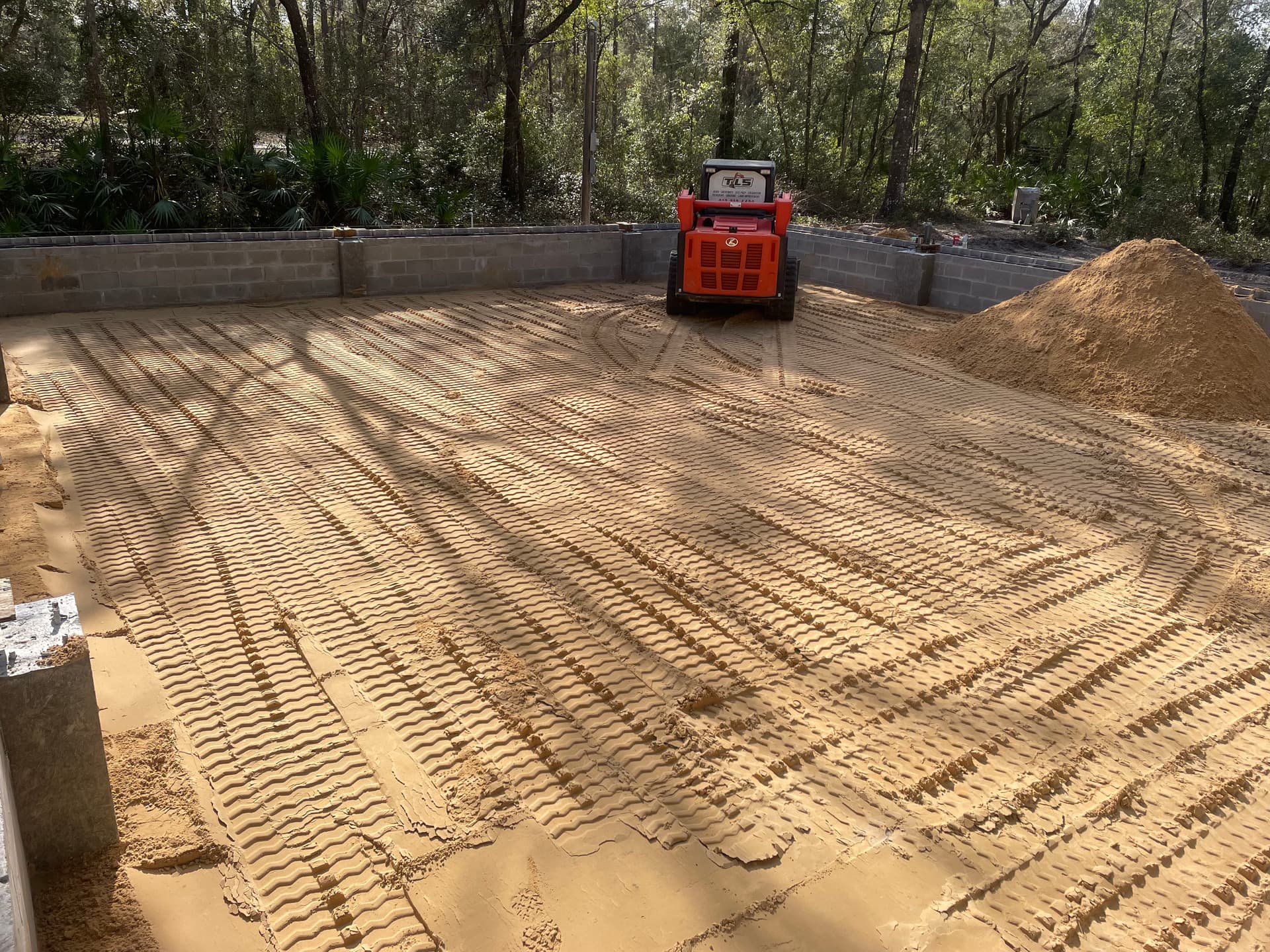
We ran multiple pieces of equipment on this one - track loaders for moving and spreading material inside the stem wall enclosure, and a roller compactor to get proper density on each pass. Working inside a block wall perimeter takes a different kind of precision. You can't just swing wide. Every bucket of material has to be placed where it needs to go, and every compaction pass has to be deliberate.
The end result was a fully filled and compacted interior floor area, graded level and ready for the next phase of construction. The job passed inspection. That's always the goal - not just getting dirt in a hole, but getting it done in a way that holds up when it counts. Our site prep and dirt work process is built around that standard on every job we take.
If you've got a new build coming up and need site prep, grading, or backfill work handled the right way from day one, this is the kind of work we do every day. The foundation is the most important part of any structure - and that starts with what's underneath it.